
Checking In With Asari Aibangbee
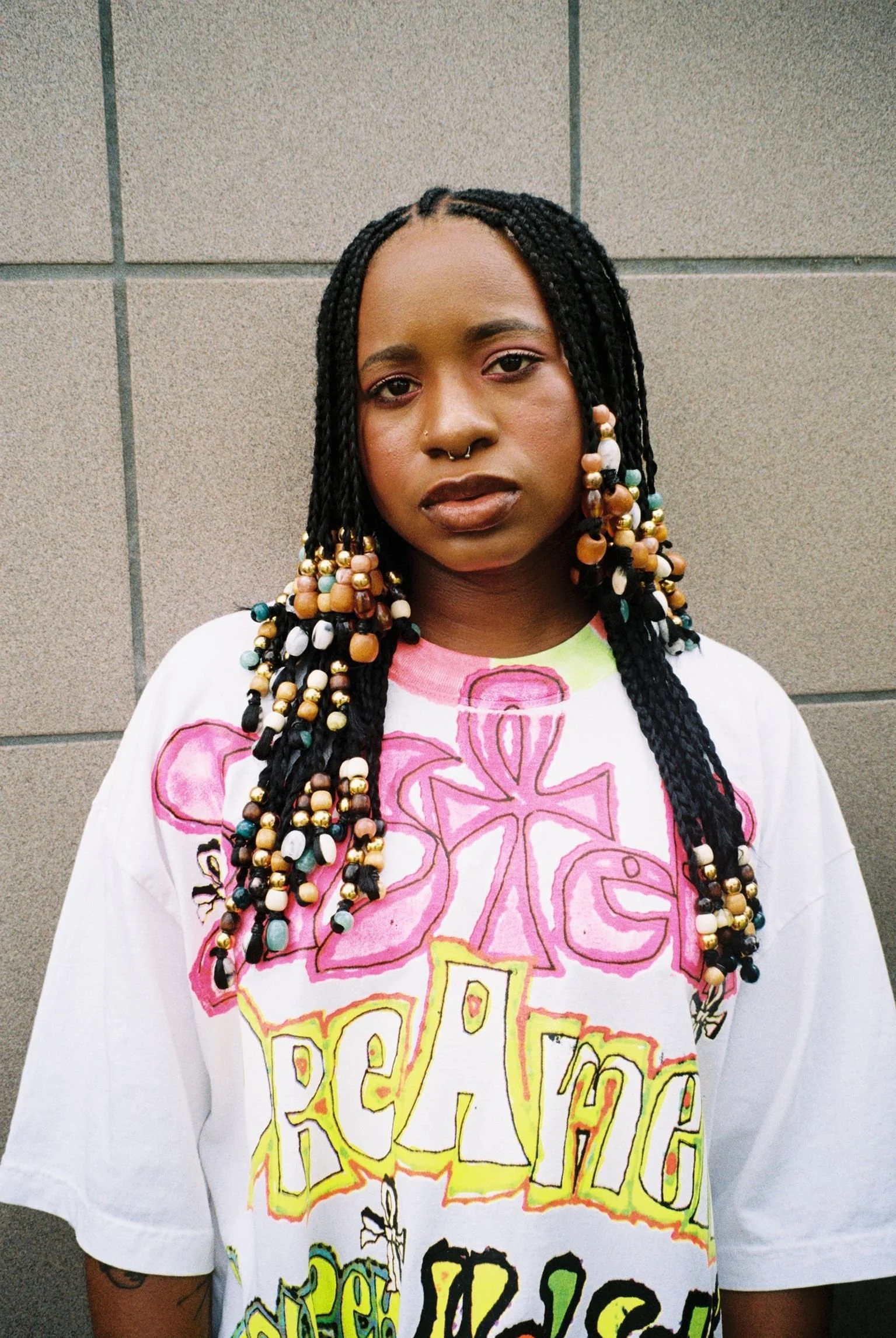
Streetlight Sits down with founding artist and team member Asari Aibangbee ahead of their return to New York’s Affordable Art Fair with SHEER.
Asari Aibangbee has been part of Streetlight from the beginning—as a founding artist, team member, and someone whose own practice continues to grow alongside the gallery.
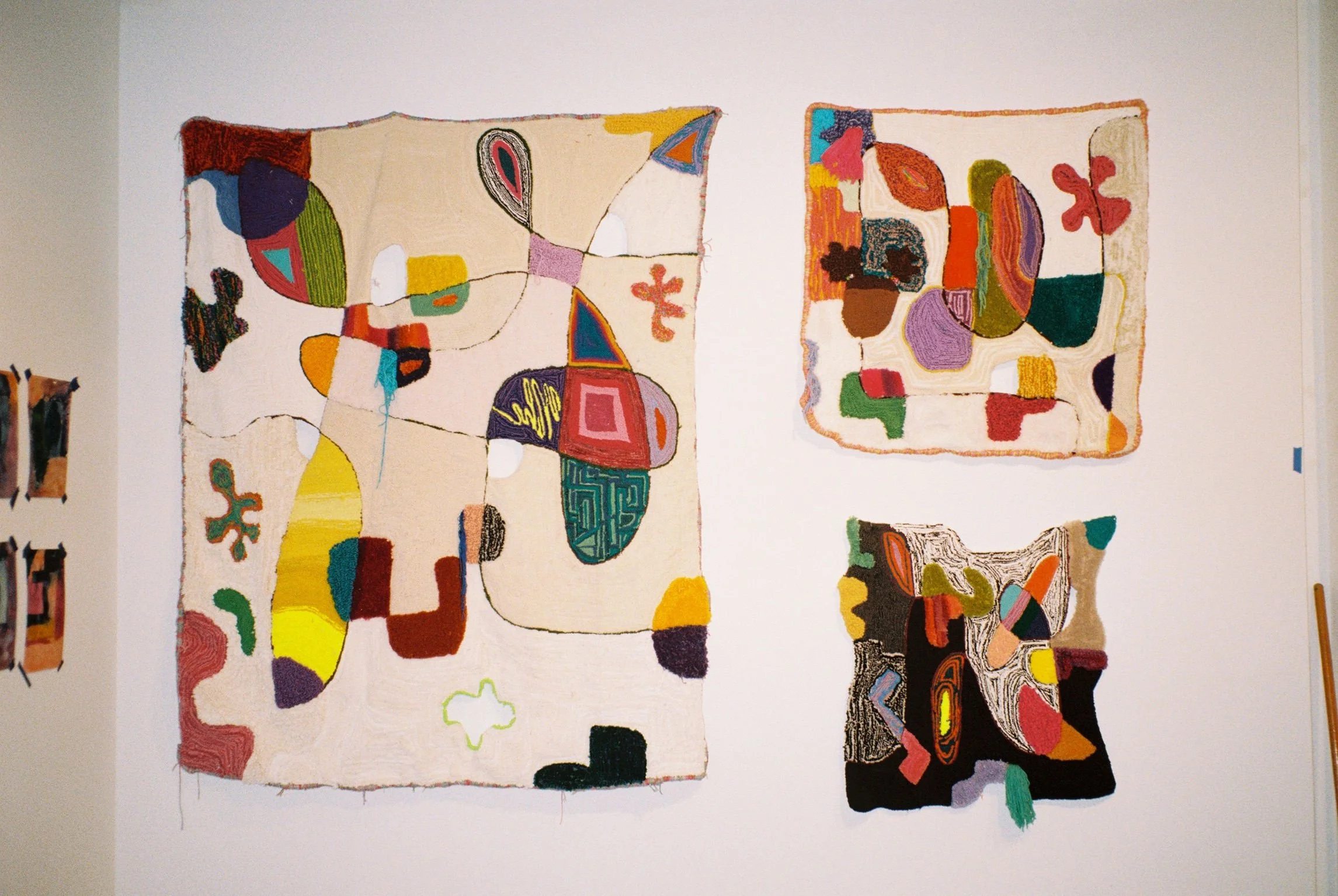
As Asari prepares to return to New York’s Affordable Art Fair with SHEER, we wanted to check in about where their work is taking them now. Rooted in craft, storytelling, and world-building, Asari’s multidisciplinary practice moves across fiber and textiles, film, curation, and, more recently, woodworking. Across these forms, their work explores Black and African beauty, vulnerability, lineage, memory, and the ways craft can carry stories across generations.
In this conversation, we talk with Asari about expanding their practice, approaching their work through spirit and ancestral connection, the communities that have shaped them, and what it means to continue creating spaces for Black and queer artists while navigating their own growth as an artist.
Asari’s work will be presented by SHEER at the Affordable Art Fair New York this September.
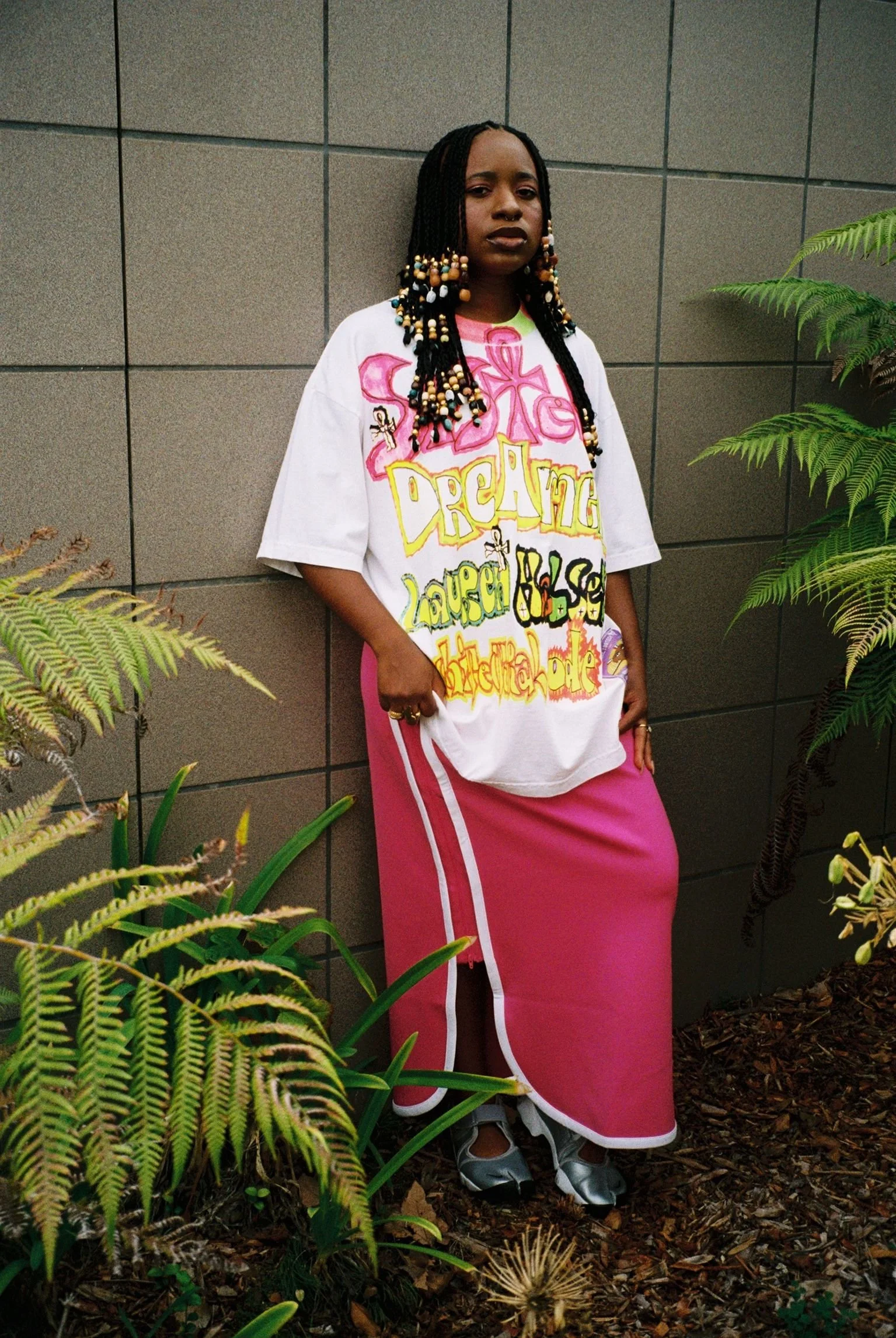
“My work cannot evolve if it wasn’t for the artists who have created space for my practice to evolve.”
STREETLIGHT
As one of Streetlight’s founding artists and a member of our team, we’ve had the opportunity to witness your practice evolve alongside the gallery. When you think about your work now, what feels most different from when we first started building Streetlight together?
ASARI
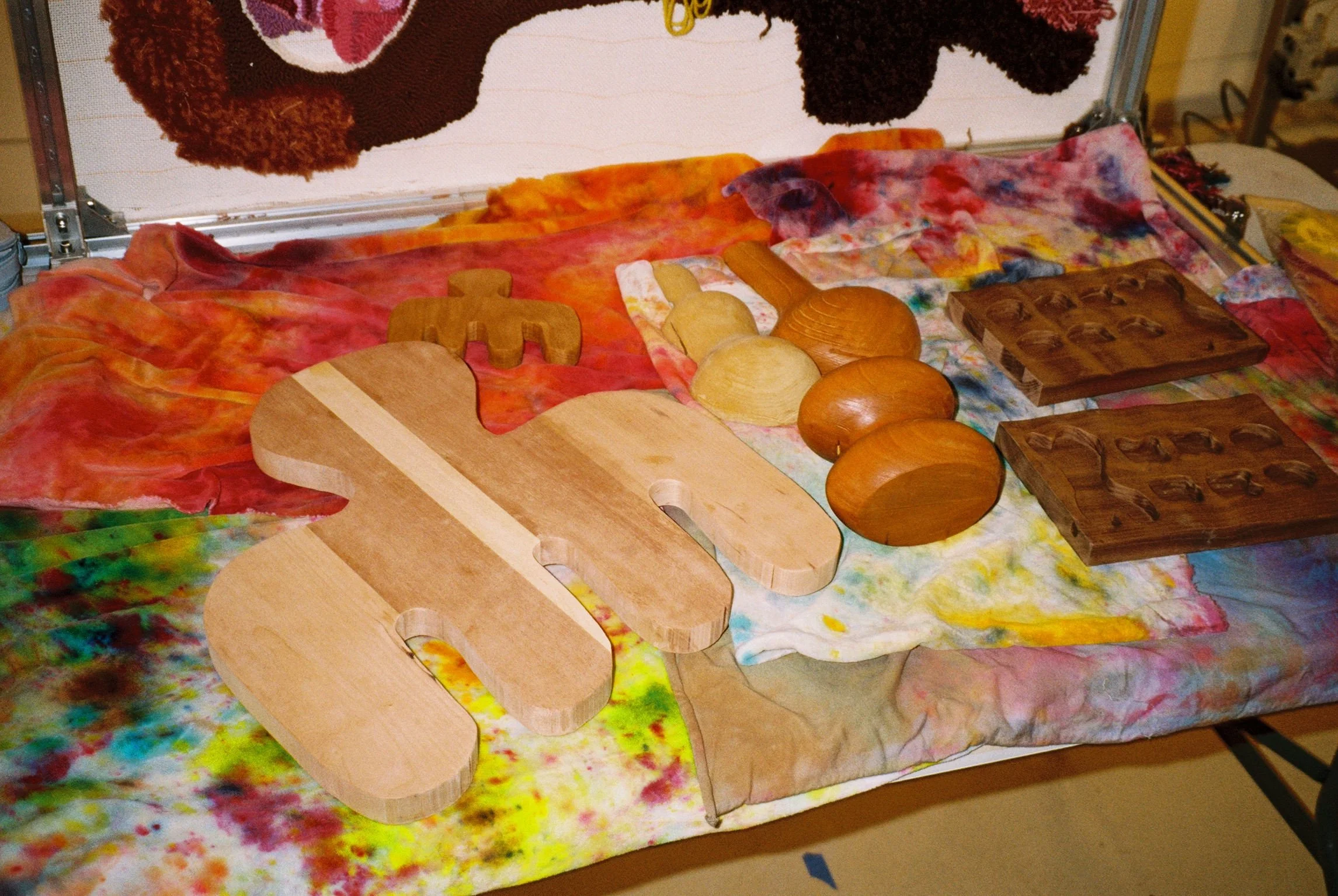
When we first started building at Streetlight Gallery, I only considered myself to be a fiber and textile artist with a background in filmmaking as well. But during that same summer, I also started my journey in wood working at Penland School of Craft in the Appalachian Mountains, courtesy of a Crafting the Future, in LA. Earlier in August, I had the opportunity to expand my woodworking skills again at Anderson Ranch near Aspen. I am very excited to continue to evolve my woodworking skills and somehow intertwine it with my fiber and textile works.
“It has been a way of archiving and diverse narratives amongst Black and African peoples by way of passing down skills generation after generation.”
STREETLIGHT
Your practice moves across fiber and textile work, filmmaking, curation, and community building. What is connecting those different parts of your practice for you right now?
ASARI
What’s connecting all the mediums that make up my multidisciplinary practice is constantly experimenting with my vision and articulating the themes of my work in an abstract manner. I started off my career as a filmmaker, and I didn’t go to film school, so I always made experimental films with my friends and creative communities. Even when I started exploring different crafts during the pandemic, I learned everything on YouTube and played around with different materials that were either given to me for free, swapped with friends, or at the thrift store.
What bridges all my mediums together is my willingness to always push myself to learn a new skill, evolve my practice, and think outside the box. I approach my work through spirit first because it guides every design I make, regardless of what I am working on. Then, once I start engaging in the research aspect of my practice, things start to fall into place, and messages from my ancestors start to find me.
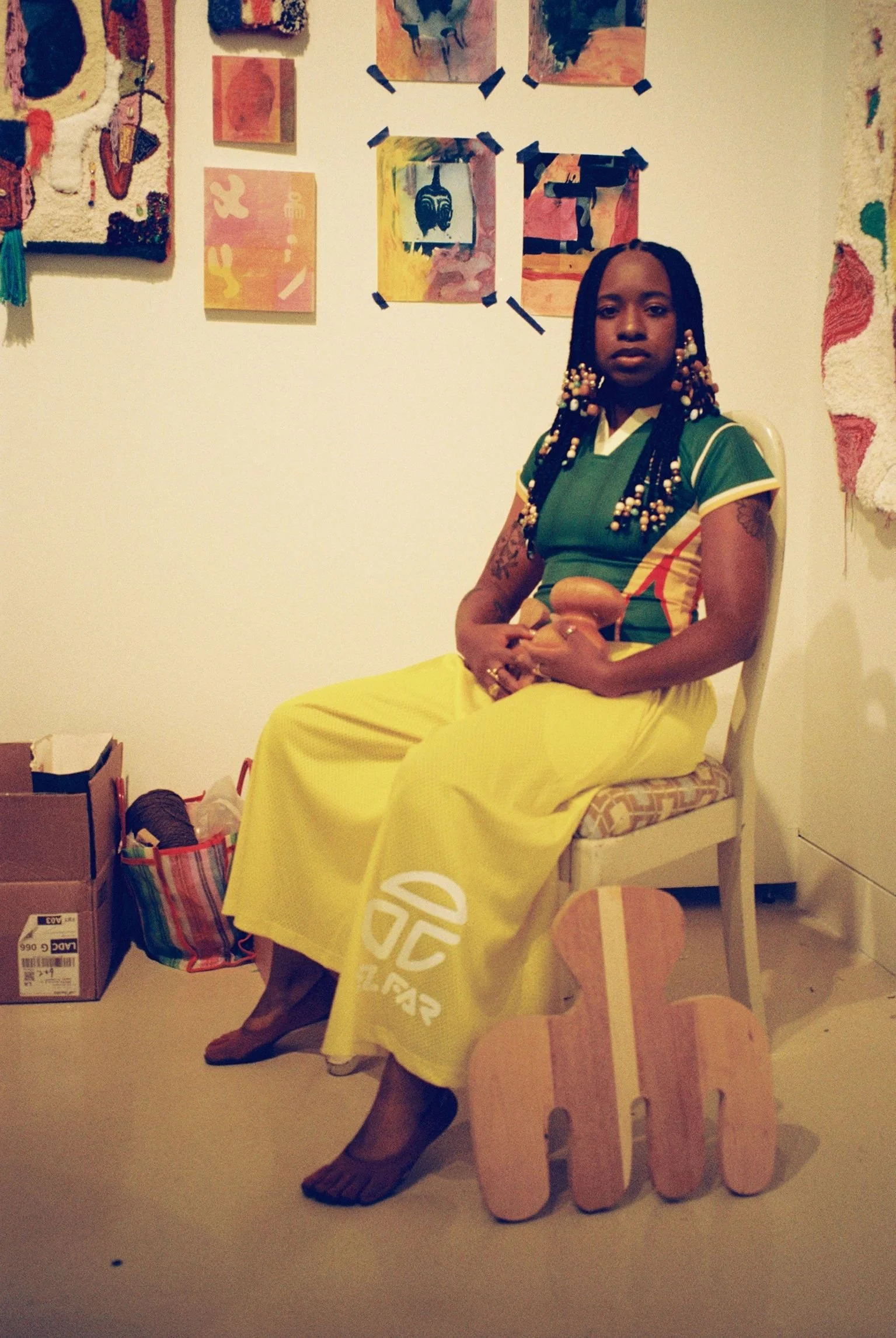
“So I explore different ways to be seen as a person with different complexities worth experiencing no matter what medium I am working with.”
STREETLIGHT
Craft has become an increasingly important part of your practice—not only as a medium, but as a way of thinking about lineage, memory, and the African diaspora. What are you learning through craft right now?
ASARI
Craft will always be at the center of my practice as an artist, maker, and world builder. It reminds me to push my imagination past the white supremacist margins that society forces us to exist in. Craft brings me closer to my ancestors, and as a descendant of the Bini tribe from the Edo Kingdom, also known as the creators of the Benin Bronzes, it is important for me to continue on with the legacy, centering it as an Indigenous African practice.
I am also learning that craft and being an artisan are very queer and holds a lot of history among different groups of the African diaspora. It has been a way of archiving various and diverse narratives among Black and African peoples by passing down skills generation after generation.
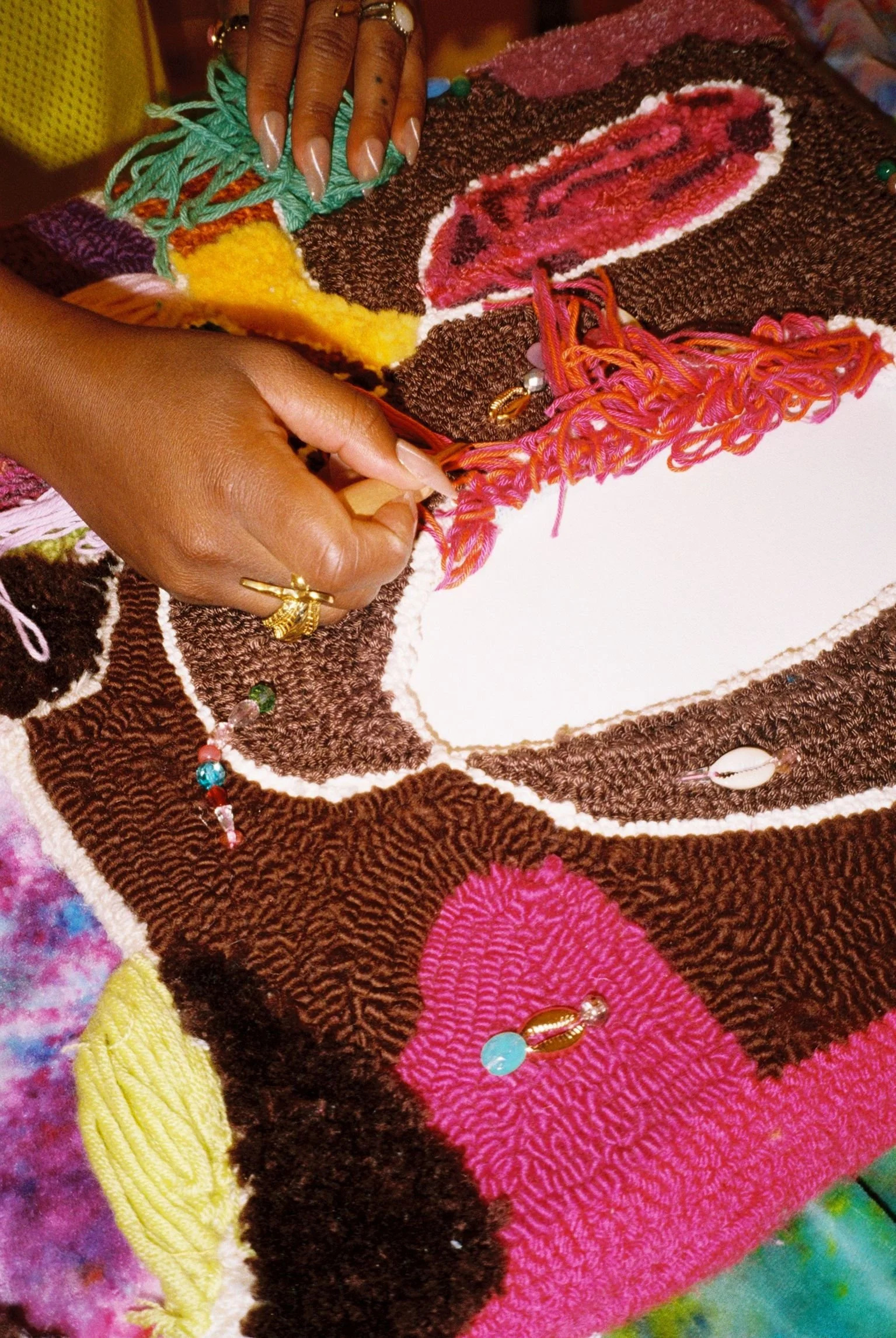
“What bridges all my mediums together is my willingness to always push myself to learn a new skill to evolve my practice and think outside the box.”
STREETLIGHT
Your work often holds softness, vulnerability, joy, and belonging alongside questions of identity and cultural lineage. How are you thinking about those ideas in this current body of work?
ASARI
Vulnerability is one of the foundations of my practice. It reminds me to be human and to return back to my true self. It’s not a feeling or experience I have had access to for most of life. Being a Dark-Skin femme from California, you don’t get many opportunities to be seen as whole. So I explore different ways to be seen as a person with different complexities worth experiencing, no matter what medium I am working with.
Art is about having conversations larger than yourself because we don’t exist in this world alone, and there have been many things that have happened before we are brought to this earth. Our ancestors remind us of that every day. My practice sometimes feels like dreams of experiences that my ancestors lived through, and I get to communicate them through my work. It's like they are channeling certain messages through me, and my creativity is a way for me to convey these stories.
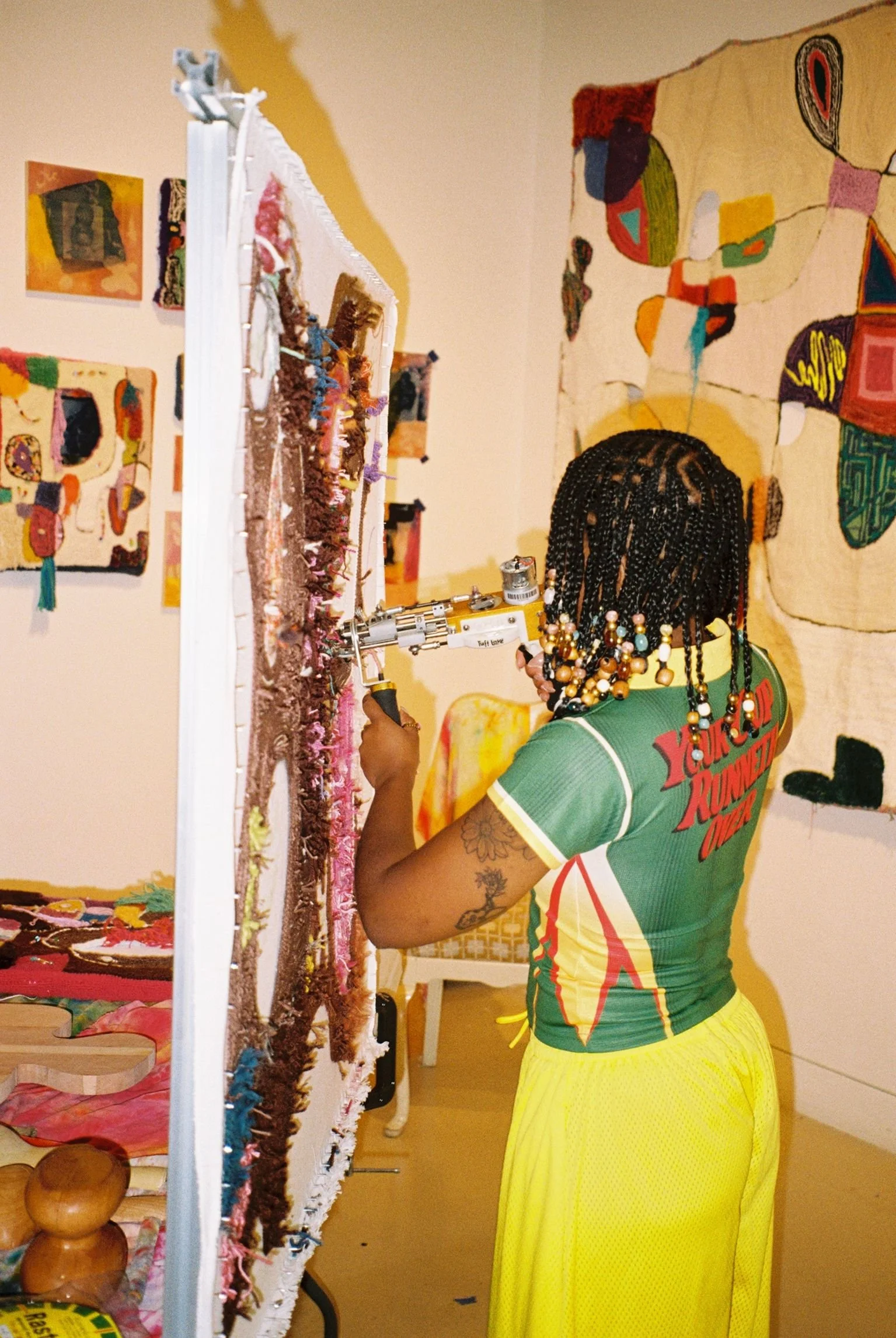
“Craft brings me closer to my ancestors.”
STREETLIGHT
You’ll be returning to New York’s Affordable Art Fair with SHEER this September. Tell us about the works you’re bringing this year and what connects them as a body of work.
ASARI
I am very excited to return back to the NYC Affordable Art Fair this year with SHEER and its founder, Bianca. It was such a delightful and fun experience last year. I have been so fortunate and lucky to work with and be championed by Black women in the arts, and that has really encouraged me to keep moving forward in my career thus far.
I will be showcasing new techniques that I have been expanding on within my fiber and textile practice. Folks will see that I have been experimenting with tufting, cyanotypes, and wood. The works tell abstract stories about Black beauty standards from the US and West Africa, which is a theme I have been exploring for a long time in my practice.
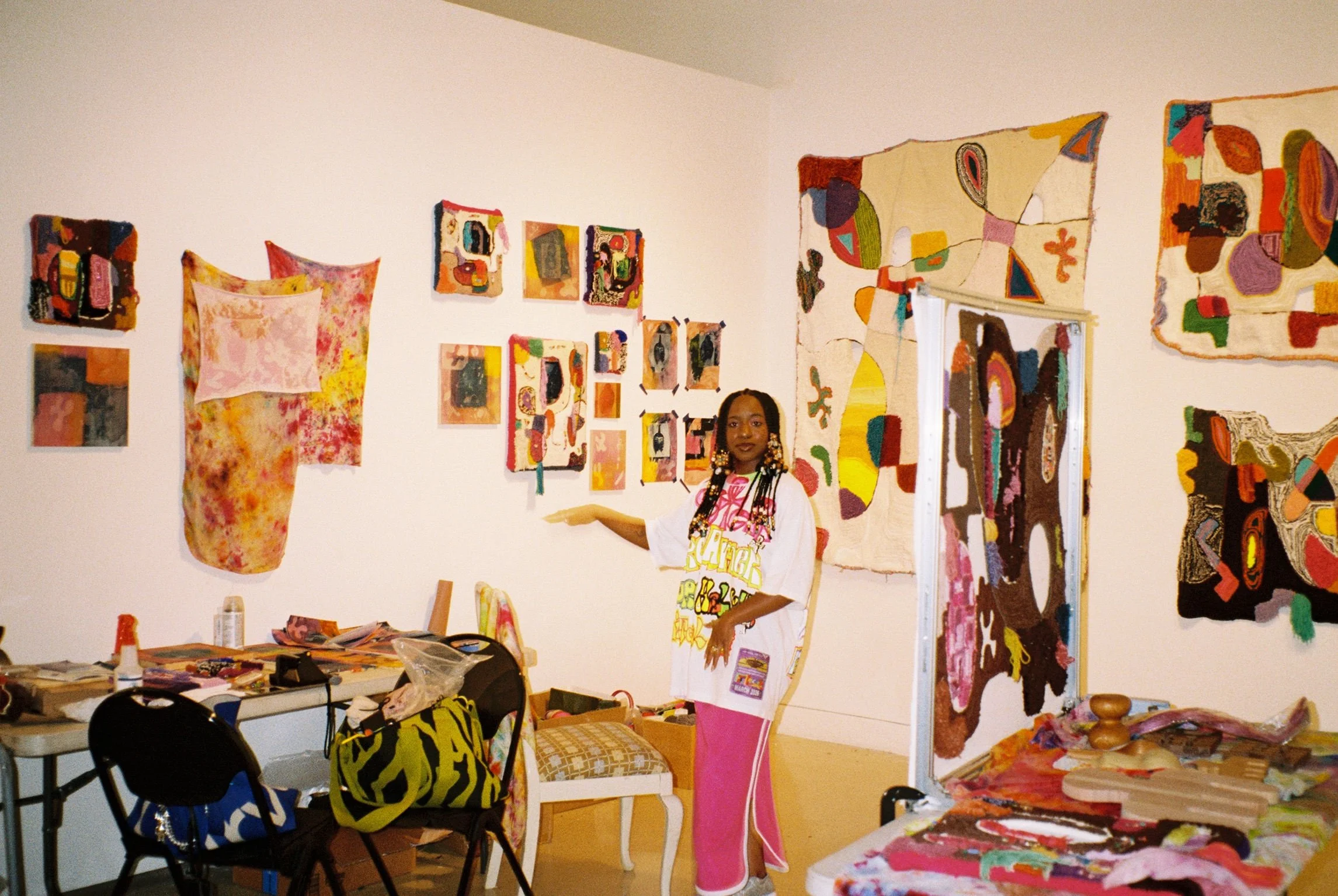
I am excited for everyone to see how the mediums I chose to showcase this year are all in conversation with one another.”
STREETLIGHT
This is your second time presenting work at the Affordable Art Fair with SHEER. What feels different about returning this time—either in the work itself or in where you are as an artist?
ASARI
What feels different about returning to the Affordable Art fair with SHEER is the work I am presenting this year. I am very proud of the work I selected for the fair this year. It is a culmination of themes, colors, and different mediums that present Black and African beauty. I am excited for everyone to see how the mediums I chose to showcase this year are all in conversation with one another. It means a lot to me that I get the opportunity to be presented by a Black woman who has been championing and supporting Black queer folks and those of us with marginalized gender identities. So the work must also represent not only my personal life experiences and ethos but also those who have uplifted my career from the very start!
“I am because we are, a phrase I carry near and dear to my heart.”
STREETLIGHT
You’ve also been doing more curatorial work, including Crafting the Diaspora, which brought together Black queer artists working through craft, archiving, and the diaspora. Has being responsible for holding and contextualizing other artists’ work changed the way you understand your own?
ASARI
Being a curator holds a lot of responsibility, no matter the scale. The exhibition I curated, “Crafting the Diaspora: A Black Queer Lens on Artisans and Communal Archiving” at nina in Los Angeles was meant to hold space for narratives and traditions that are still not recognized as important amongst large institutions.
The themes of the show represent many parts of my personal experiences as an artists and world-builder, as well as the experiences of the many Black queer artists that inspire me and who I am in community with. I think about them a lot and how much they have pushed me to be a better person and artist.
“I am because we are” is a phrase I carry near and dear to my heart. My work cannot evolve if it weren’t for the artists who have created space for my practice to evolve and who share narratives about the communities we come from.
See Asari at the Affordable Art Fair New York with SHEER, September 15th-20th, 2026
About Asari Aibangbee
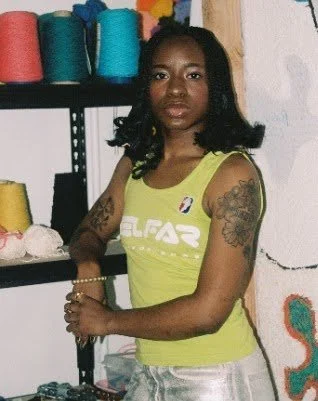
Asari Aibangbee
Interdisciplinary Artist | Filmmaker | Curator | Streetlight Founding Artist
Asari Aibangbee is an interdisciplinary artist, specializing in filmmaking, fiber/textile art, and art curation. Originally from Los Angeles, their artistic journey began in San Francisco, where they founded the collective To Be Black and Queer and established themselves as an independent filmmaker. As a queer Nigerian femme, their work centers on the experiences of Black Queer individuals across the African diaspora, exploring themes of identity, community, and intersectionality. In 2021, they began experimenting with tufting, a medium that became central to their practice in 2023 during their first artist residency, alongside their work with cyanotypes. Their fiber art blends traditional techniques, such as hand tufting with a tufting gun and punch needle, with sustainable yarn and other materials to create intricate compositions. These pieces explore symbols, cultural artifacts, and motifs significant to the Black Queer community, serving as metaphors for broader conversations on identity, belonging, and the diasporic experience.
Blackness is often equated with hardness and coldness by the other, but Asari’s work challenges these narratives through tufting, film, cyanotypes, photography, and other mediums. They draw parallels between the softness of textiles and the vulnerability of Queer and Femme Black folks, using intuition and meditative repetition to layer techniques and process emotions like joy, fear, and loss. Their pieces function as maps of imagination, with line work creating borders that shape their final compositions. As a first-generation queer Nigerian American, their indigenous heritage, sexuality, and gender expression inform their world-building approach, existing outside Eurocentric standards and celebrating the richness of their identity. The vibrant colors, textures, and storytelling in their work reflect self-discovery and collective experiences, forming a visual language as expansive as the communities they represent. Their participation in programs like Beyond the Screen with A24, the Promise Workshops at the Academy Museum, and the Queer Women of Color Film Festival has shaped their perspective on world-building, allowing them to reclaim space, redefine narratives, and honor the complexities of Black queer existence.